

This past week, interest rates improved once again as the financial markets gear up for a potential Federal Reserve rate cut. Let’s dive into what happened this week and look ahead at what’s coming.
“Ba-dee-ya, dancin’ in September” September by Earth, Wind and Fire.
Leaders Calling for a Rate Cut
The buzz is getting louder from leaders in finance, housing, and mortgage sectors, all calling for the Fed to cut interest rates. With softening economic data, rising unemployment, and consecutive low inflation readings, the Fed Funds Futures are now showing a 98% chance of a rate cut in September. With the meeting just two months away, this seems almost certain – but is it?
“We aren’t there yet” – Cleveland Fed’s Loretta Mester
Despite all the bond-friendly news of low inflation and higher employment, some Fed officials are cautioning against getting too excited about multiple rate cuts this year. Just a few weeks ago at the June Fed Meeting, the forecast suggested no further significant moderation in inflation, so we should be prepared for just one rate cut.
Global Pressure
The push for lower interest rates isn’t just coming from within the US. Central banks around the world, like in Australia, Sweden, and Switzerland, have already cut rates. It’s common for central banks to move in sync to avoid currency distortions, and we might see the European Union and UK following suit soon.
What Are We Waiting For?
Even with all the pressure, there’s still the fear of cutting rates too early, which could lead to inflation ramping up again. The Fed is trying to strike a balance between not cutting too soon and risking a recession with rising unemployment.
Bottom line: Despite the uncertainty, home loan rates have steadily improved throughout July. The 10-year Note has made lower peaks since last October, from 5.00% to 4.75%, to 4.50%, and now 4.35%. Let’s hope this trend continues.
Looking Ahead
Next week brings a wave of high-impact news, including the Fed’s preferred inflation gauge, the Core Personal Consumption Expenditure (PCE) Index. The Fed aims for this indicator to move “sustainably towards” 2.00%, and it’s currently at 2.6%. If the number comes in lower, there could be even more calls for a September rate cut. Let’s see what happens!
Economic Calendar
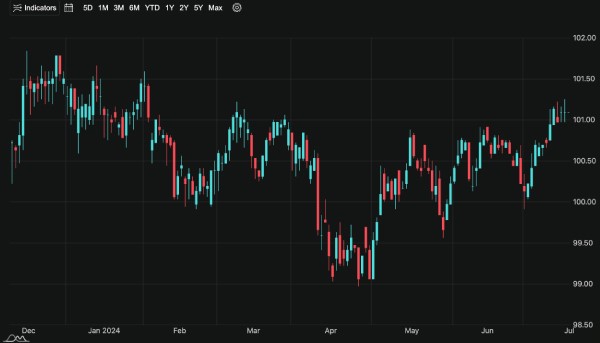
Mortgage bond prices determine home loan rates. The chart below is a one-year view of the Fannie Mae 30-year 6.0% coupon, where currently closed loans are being packaged. As prices move higher, rates decline, and vice versa.
If you look at the right side of the chart, you can see how prices have improved throughout July, matching the best levels since February.
Chart: Fannie Mae Mortgage Bond (Friday July 19, 2024)
Economic Calendar for the Week of July 22 – 26


